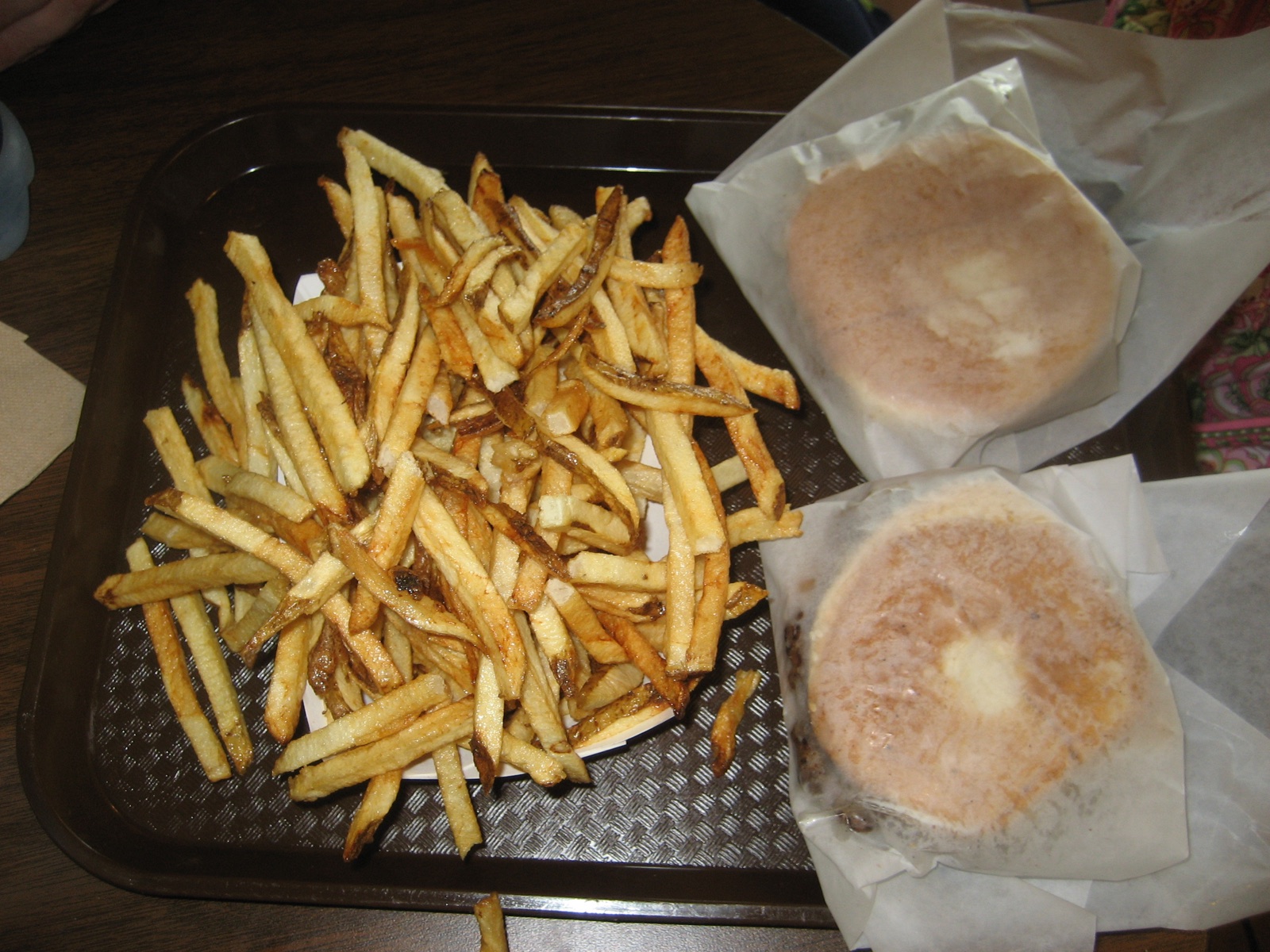
Digital menus encourage accumulation. Upgrade the patty, add bacon, make the fries loaded, select a shake and accept a suggested dessert. Each choice can be reasonable alone. Together they may create a meal that is more expensive, rich and difficult to finish than intended. The solution is not automatic restraint; it is building in a sequence where each item has a defined role.
Step 1: write the eater brief
Count eaters and note appetite, dietary requirements, budget and fulfillment. A solo lunch five minutes from the counter is a different problem from delivery for four people with one allergy. Separate hard constraints from preferences. Serious allergen needs require current restaurant information and a direct conversation about shared preparation—not a menu filter alone.
Write one line: “Two adults, medium appetite, one no-meat preference, short carryout, moderate total.” That sentence is more useful than beginning with a coupon.
Step 2: choose the protein scale
For thin griddled burgers, a single keeps the bun, sauce and vegetables noticeable. A double raises the ratio of meat, browned crust, cheese, salt and fat. A triple often shifts the meal almost entirely toward protein and richness. Plant-based patties or vegetable-centered options have their own ingredients and preparation conditions; do not treat them as automatically lighter or allergen-free.
If fries and a shake are essential, start with the smaller burger that still satisfies. If the burger is the meal, a double may reduce the need for a large side. Evaluate the whole tray, not item size in isolation.
Step 3: add contrast before luxury
A well-designed burger already has richness. Pickles, mustard, onions, lettuce or tomato provide acid, sharpness, freshness and crunch. Bacon, another cheese slice and creamy sauce mostly add more richness and salt. Add contrast first. Then decide whether one premium topping contributes a flavor that the base burger lacks.
Step 4: make the fries earn their place
Fries contribute crispness, salt and more carbohydrate. They also travel poorly. Choose a regular portion when they complete the burger; choose a smaller or shared portion when a shake is also present. Loaded fries are closer to a second entrée and lose dry crispness by design.
For a long delivery route, ask whether fries remain important enough to accept softer texture. A nearby simple side or no side can be better value than a large portion eaten only because it came in a bundle.
Step 5: classify the shake
A shake can be the drink, dessert or entire reason for the visit. It is difficult for one serving to fill all three roles comfortably beside a double burger and loaded fries. Decide the role explicitly:
- Drink: choose a smaller, simpler flavor and consume it with the meal.
- Dessert: finish the hot food first and select a more expressive flavor or mix-in.
- Main treat: pair with a small savory item rather than a complete heavy tray.
- Delivery add-on: use a short radius and expect some thinning.
Step 6: compare channels at checkout
Use identical baskets. Menu prices, digital offers, delivery fees, service charges, minimums and tips can differ between the restaurant's official channel and a third-party marketplace. Carryout hides transportation and time but often gives better texture control. Compare the complete checkout total and the real trip.
| Basket pattern | Best for | Watch for |
|---|---|---|
| Single + regular fries + drink | Balanced counter meal | Side may become the largest component. |
| Double + no side | Burger-centered appetite | Richness without fresh contrast. |
| Single + small fries + shake | Trying the full format | Shake functions as dessert and drink. |
| Two simple burgers + shared fries | Small group with similar needs | Confirm portions and dietary separation. |
| Specialty burger + loaded fries | Intentional high-richness meal | Cost, sodium, travel and leftover quality. |
Promotions are constraints, not instructions
A deal can be useful when it matches the eater brief. If it requires a larger burger, unwanted drink or distant delivery channel, calculate the actual value of the compromise. Do not add an item merely because its discounted price seems small; the relevant number is the final basket total.
Read eligibility, location, time, redemption channel and customization limits on the live offer. Screenshots and social posts can outlive their terms. When the basket changes, recheck that the offer still applies before payment.
Review the receipt as a specification
- Correct restaurant and fulfillment.
- Correct number of patties and cheese selections.
- Correct topping removals and additions.
- Correct fry type, size and sauces.
- Correct shake flavor, size and quantity.
- Correct final price and support channel.
Save the receipt. If an item is missing, explain the exact mismatch between receipt and handoff. The channel that accepted payment is usually the first support route.
A good menu decision feels edited. The burger has a scale, toppings have distinct jobs, the side fits the route and the shake has a role. Anything that remains in the basket has earned the space.