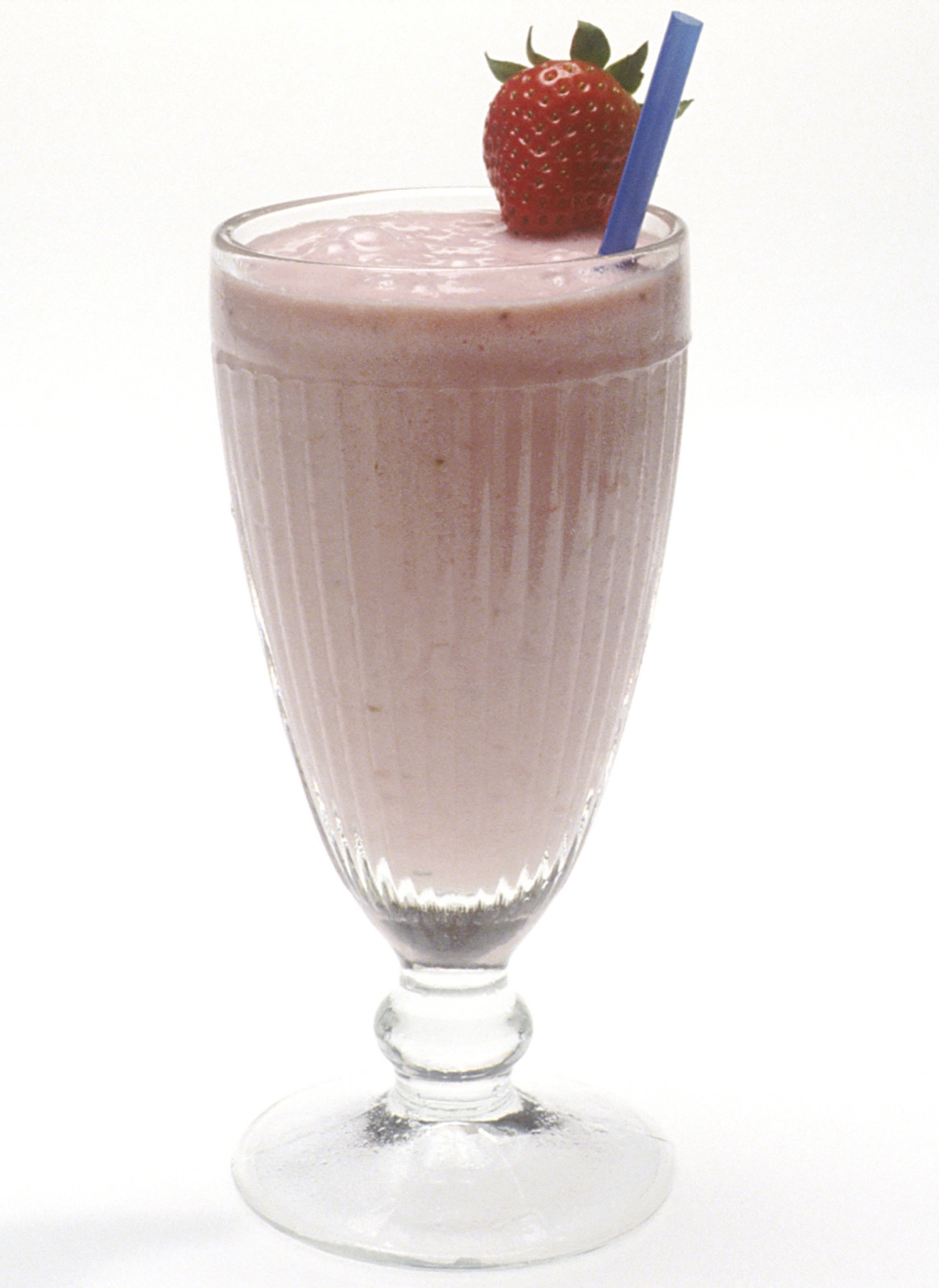
A milkshake begins with a frozen base and enough liquid to make it move. Blending breaks the base into smaller crystals, distributes flavor and incorporates air. More liquid increases drinkability but can dilute flavor and accelerate separation. Less liquid creates a spoonable texture that may frustrate a narrow straw. Temperature, equipment and the timing of service determine the final balance.
Base determines the first texture
Ice cream provides fat, sugar, water, milk solids and air in a semi-frozen structure. A custard-style base may include egg and can feel denser or richer. Restaurants also use proprietary frozen dairy or non-dairy bases. The menu name does not reveal every ingredient, so anyone managing an allergy or diet should use current first-party information.
A very cold base needs more blending force or liquid. A warmer base blends easily but has a shorter service window. Good production aims for repeatability: the shake should be thick when handed over, yet still work through the supplied straw after a short rest.
Flavor has to survive cold
Cold temperatures reduce aroma intensity. Chocolate, vanilla, coffee, fruit and caramel therefore need enough concentration to remain distinct without becoming harsh or excessively sweet as the shake warms. Syrup distributes evenly; fruit pieces create bursts but may block the straw; cookie pieces add texture and absorb liquid.
Classic vanilla is a useful first test because there is nowhere for the base to hide. Strawberry should balance fruit brightness with dairy richness rather than tasting only of sweet pink syrup. Chocolate can range from light malt-shop cocoa to dark, intense fudge. None is universally best—clarity is the goal.
Mix-ins change the structure
Cookies, candy, brownie pieces and nut butters add flavor but also solids, fat and resistance. Fine particles may thicken the body; large pieces sink or clog. Whipped cream sits above the main blend and changes the first few sips more than the last ones. Decorative toppings can be fun when eating on site, but they travel poorly under a lid.
If a shake accompanies a rich double burger, a simple flavor or smaller size may create a better meal than the most elaborate option. Treat the shake as both beverage and dessert when estimating appetite and total cost.
Hot food and cold drinks disagree
A burger and fries benefit from heat retention. A shake benefits from cold and minimal waiting. Placing them together transfers heat toward the drink while cold condensation can affect paper packaging. For carryout, use separate carriers or insulated zones and keep the shake upright. For delivery, consider ordering from a close location and serving immediately.
Timed orders create another risk. The kitchen may sequence items well, but a shake made before a delayed driver continues melting. No ordering platform can guarantee the exact pour time. If texture is central, on-site service or short carryout provides the most control.
Compare sizes by meal role
Do not assume the largest shake is the best value. A large serving may warm before completion and can overwhelm the burger-and-fries balance. Choose based on whether the shake replaces a dessert, accompanies a meal or is the main treat. Current nutrition data can help place the serving in context, but use official restaurant information because recipes and portions change.
- With a full meal: a smaller classic flavor keeps the shake complementary.
- As dessert: a richer flavor or mix-in makes more sense after the hot food.
- For sharing: confirm cups and straws are available and consider food-safety and allergy needs.
- For a long route: skip elaborate toppings and expect a thinner texture on arrival.
Allergens require first-party answers
Milk is obvious in a conventional shake, but other major allergens may appear in bases, flavorings, cookies, sauces and toppings. Shared mixers and preparation areas can create cross-contact. A non-dairy-sounding flavor is not automatically safe for a milk allergy. Consult the restaurant's current allergen guide and speak with the selected location about its process.
What to do when a shake separates
A short stir may recombine a shake that has begun settling. Refreezing a delivered shake rarely restores the original smoothness because large ice crystals form. For food safety, do not leave dairy drinks at room temperature for extended periods; follow current government guidance and discard when safety is uncertain.
A strong shake is not a vertical dessert sculpture. It is a coherent, cold drink with a recognizable base, clear flavor, controlled mix-ins and a texture suited to its straw and route. Order the amount you can enjoy within that window.