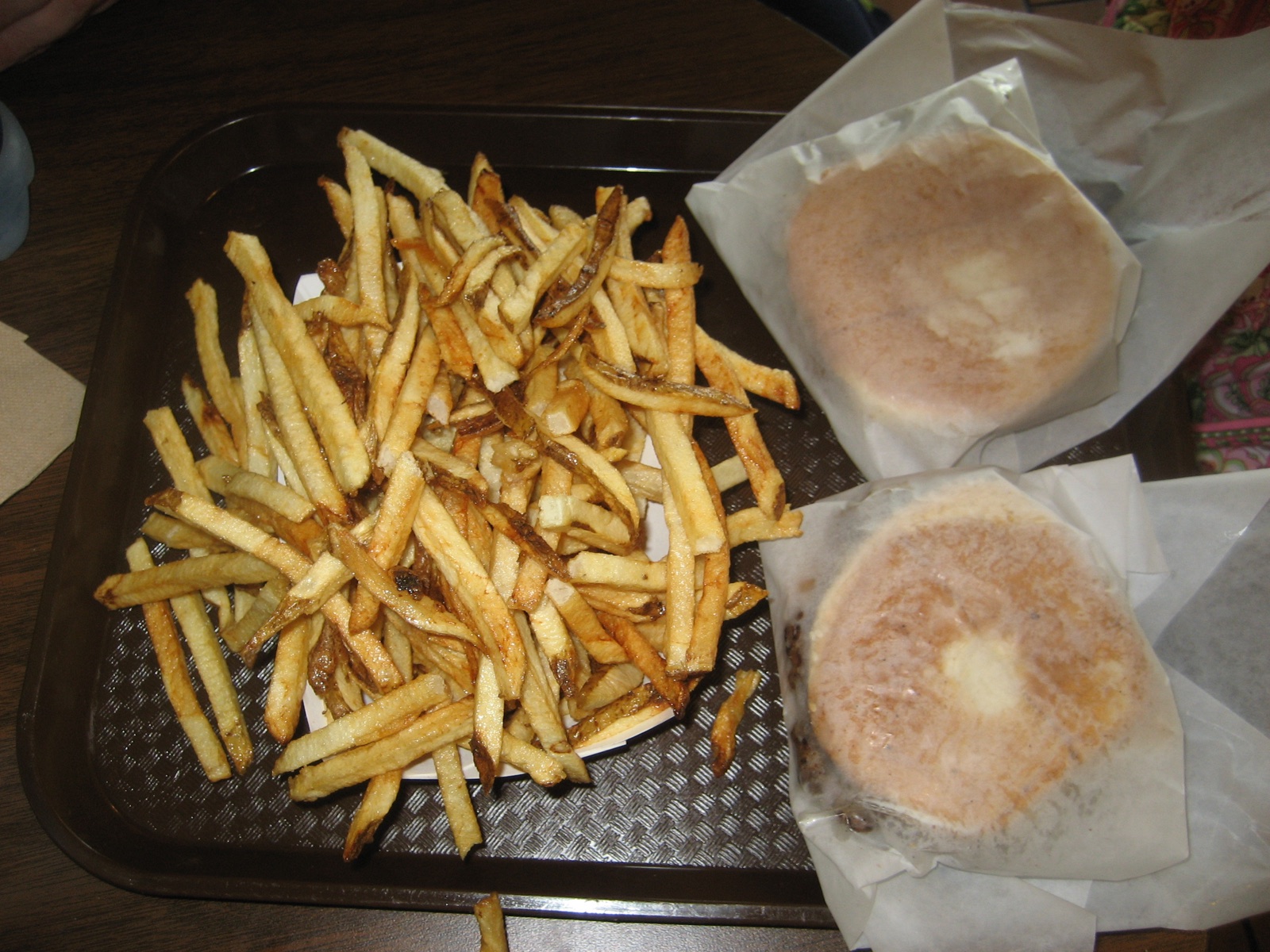
A burger is eaten by hand, so construction is part of flavor. The top and bottom must compress around the filling without squeezing it sideways. Sauces need enough viscosity to stay in place. Wet vegetables should be controlled. Cheese can bind a patty to nearby layers. Acid and crunch must remain noticeable beside hot beef and fat. When every appealing ingredient is simply added, the result often becomes taller, wetter and less coherent.
The bun is both frame and sponge
A soft bun works because it yields under the hand and matches a tender patty. Toasting its cut surfaces adds flavor, friction and some protection from juices. The bottom half usually carries more liquid and weight, so it cannot be an afterthought. If it is too thin or untoasted for the build, the final bites may collapse.
Size should match the patty footprint. A bun far wider than the beef produces bread-only edges. A very small bun creates excessive overhang and dripping. Height matters too: a double patty does not automatically need a massive roll. The most comfortable bite is usually wider rather than taller.
The patty sets the scale
A thin smash patty favors crisp browned surface and fast cooking. A double adds meat without abandoning that style. A thicker patty emphasizes a substantial interior and requires a different cooking approach. Neither format is universally better; the rest of the stack should respect it.
A delicate single can be buried by bacon, extra cheese and a large fried topping. A thick patty may support more assertive cheese or onion but can become tiring when every layer is rich. Decide whether the meal is meat-forward, topping-forward or balanced, then remove ingredients that compete for the same job.
Cheese is a connector
Cheese contributes salt, fat, flavor and physical cohesion. A well-melted slice drapes over irregular meat and can help pickles or onions stay in place. On a double, cheese between patties creates a unified center. More cheese is not neutral: it increases richness and can blur the distinction between meat, sauce and bun.
Acid and crunch reset the palate
Pickles are efficient because they bring acid, salt and crisp texture in a thin layer. Raw onions add sharper bite; cooked onions bring sweetness and moisture. Lettuce adds coolness and sound. Tomato contributes freshness and acidity but also water and a slippery surface. Placement can manage these effects: cheese against meat, sauce against toasted bread and drier leaves used as a modest barrier.
The best order depends on the desired bite. There is no universal stacking law. Yet very smooth layers placed together—sauce, melted cheese and wet tomato—can slide. Alternating textures and limiting oversized slices improves stability.
Sauce should season, not erase
Burger sauce often combines creamy, acidic, sweet and savory components. It can connect the stack and compensate for lean or dry elements. It can also dominate a small patty. Ask for sauce on the side when trying an unfamiliar restaurant if control matters, although packaging and availability vary.
Multiple sauces rarely create multiple clear flavors once compressed. A signature sauce plus ketchup and another creamy sauce may blend into generalized sweetness. Use one as the main seasoning and let pickles, mustard or onion add sharper contrast.
Special toppings change the engineering
- Bacon: brings smoke, salt and brittle texture, but uneven strips can pull from the stack.
- Fried egg: adds richness and a fluid yolk, making the burger wetter and more time-sensitive.
- Avocado: contributes cool creaminess but little friction; thin placement is easier to control.
- Fried onion or pepper pieces: add crunch that quickly softens under sauce and steam.
A specialty topping can be the concept. Problems begin when it is treated as one of five equal concepts.
Travel changes the stack
Wrapping a hot burger keeps its components aligned and warm, but traps vapor. Lettuce wilts, toasted surfaces soften and sauce thins. Delivery distance therefore belongs in the recipe. For a long trip, a simpler burger with fewer wet layers may arrive better than a tall specialty build. Carryout offers more control, and eating nearby gives the kitchen's intended contrasts the best chance.
Check the first lift. Hold the burger over its wrapper or plate, compress gently and keep it level. If the stack is unusually tall, cutting it can be more practical than fighting for an oversized bite. Good architecture is not about purity; it is about getting all the intended components into each bite.
Build from purpose: bun for grip, meat for browned depth, cheese for melt, acid for relief, crunch for contrast and sauce for seasoning. The shortest ingredient list that achieves those jobs is often the strongest burger.